
Custom Precision Joinery Ltd
Custom Precision Joinery for
Private and Commercial building projects.
We are a well-established team of specialists in joinery and carpentry based in Flintshire, North Wales. As a dynamic company with over 35 years of experience we have developed a strong client portfolio, working on domestic and commercial projects new buildings and restoration.
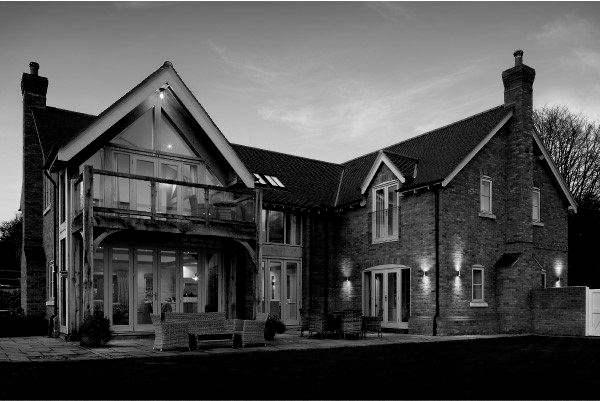
Our fully equipped workshop can produce bespoke timber windows and doors, modern and classic staircases, timber moulding's and bespoke fire doors, frames and screens. The breadth of our experience and a vast range of services let us cater for all needs and tastes. So whether you are looking for new doors or windows, to refresh the look of your staircase or you are building a new house, we will be happy to help.
We don’t like to brag, but our joinery and carpentry services are one of the best in North Wales and the North West.
Give us a call today to discuss your project with one of our dedicated experts.
Give your place a whole new lease of life!
Bespoke Windows
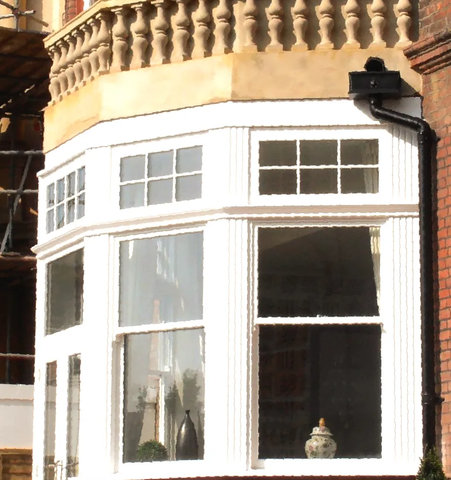
We provide a wide range of bespoke hardwood, softwood & Accoya windows that are made to meet your exact requirements. We never settle for mediocrity. We use the best materials and finishes in the industry, all our windows feature high security locking, energy efficient glass, and quality hardware.
Bespoke Doors
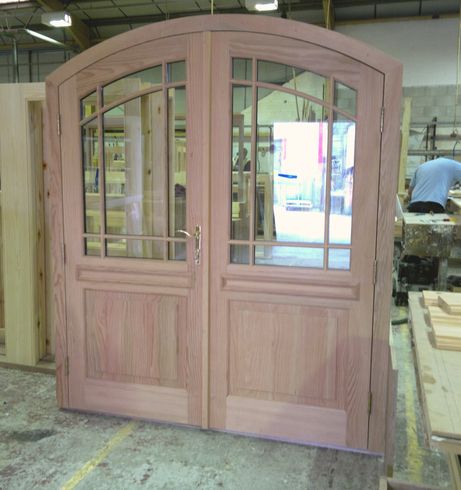
Every door is hand-made to order at our workshop, where we make sure that the finish is of the highest quality and the proportions are perfect. Give us a call today and say "Hello” to your dream timber door.
Bespoke Staircases
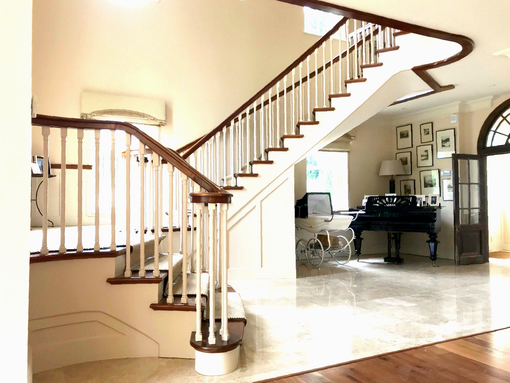
We manufacture bespoke staircases for self-builders, private customers and the commercial sector.
Each staircase is produced to our clients' own specifications and in the clients' own choices of timber. With the use of CAD technology, programmes for our CNC machines are used to ensure accuracy second to none.
Conservatories
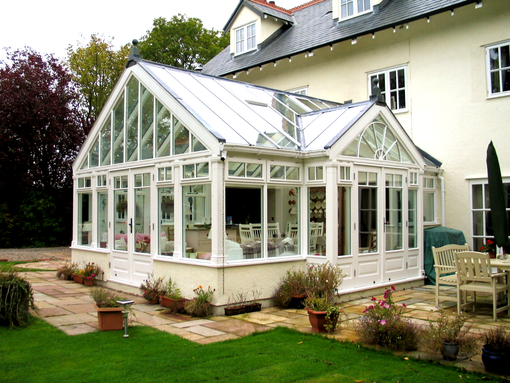
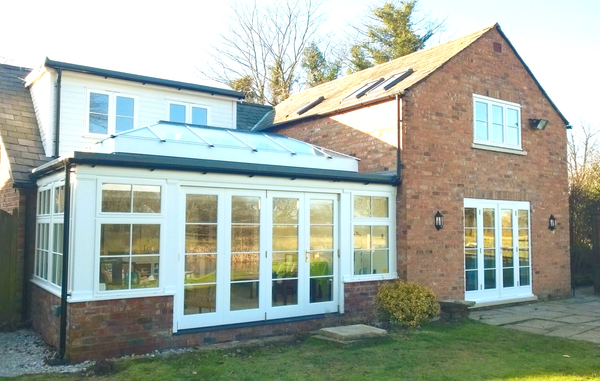
Conservatories tailor made to your own specification, our purpose made timber conservatories are manufactured with a combination of traditional hand crafted methods and high quality computerised CNC machined processes.
Orangery
The orangery looks in many ways like a traditional greenhouse and is constructed out of glass and aluminium profiles. However, there are some significant differences between the two types.
Some may compare an orangery with a conservatory, but they are very different. A conservatory is typically an extension of the house, while the orangery is a free standing greenhouse in the garden
Your FENSA certificate provides proof that your window and door installations:
- Comply with Building Regulations
- Use energy efficient products
- Are registered with the local council
It also means our warranty is insured. Reg: 13642

Our outstanding 50-year above ground warranty is here to give you complete confidence that your Accoya wooden windows and doors will stand the test of time.

UKAS accredited certification body, you will know that the quality of service you buy is of a consistently high standard.
UKAS accredited certification body, Fire door certification provides independent reassurance to specifiers and purchasers that your products are manufactured to a consistent quality.

Catheralls Industrial Estate,
Brook Hill Way,
Buckley,
CH7 3PS
Nort Wales
Company Reg No. 01921953
Call us on 01244 550 444
VAT No. GB370650463